For most of its history, orthotics and prosthetics has been a craft of hands, plaster, and heat. It still is, at its heart. But something is changing on top of that foundation: scanners, design software, and 3D printers are moving from research labs into working clinics. The clinicians who learn to use these tools are quietly opening a career advantage that will only grow. If the word “CAD” makes you nervous, this article is for you.
What “digital fabrication” actually means in O&P
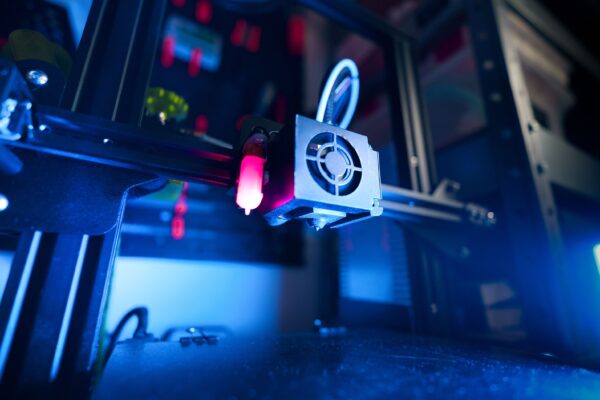
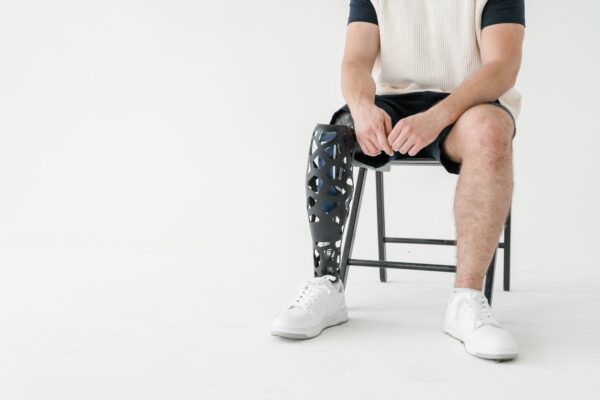
Strip away the jargon and digital fabrication is just a new way to do the same three steps you already know: capture the shape, design the device, and make it. Instead of a plaster cast, a 3D scanner captures the limb. Instead of hand-modifying plaster, you shape the design in CAD (computer-aided design) software. Instead of vacuum-forming over a rectified positive, a mill or 3D printer produces the device or mould directly (CAM — computer-aided manufacturing). The clinical thinking is unchanged. Only the tools between assessment and delivery are different.
Why this matters for your career, not just your workshop
Three reasons digital skills are becoming career capital:
Scarcity. Right now, relatively few clinicians in Pakistan are genuinely fluent in CAD/CAM. Being one of them makes you visibly valuable — the person a clinic wants when it modernises, and the person invited to teach others. Scarcity is leverage.
Portability. Internationally, digital workflows are increasingly standard. A clinician comfortable with scanning and CAD travels well, because the skill is the same in Dubai, London, or Lahore. It strengthens exactly the work-abroad prospects many O&P professionals are aiming for.
Consistency and reach. Digital workflows can improve reproducibility and let a skilled clinician’s designs be shared and remade — which matters enormously in a country where expert clinicians are concentrated in a few cities and need is spread everywhere.
An honest look at the limits
Balance is important, so here is the counterweight. Digital tools are not magic, and they are not a replacement for clinical judgement. A perfect scan of a poorly assessed limb produces a perfect bad device. Printers fail, materials have limits, and a beautiful CAD model still needs a clinician who understands socket fit and pressure management to be safe on a real patient. There is also a genuine equipment cost, and not every clinic can justify it yet. The skill is an addition to strong hands-on fundamentals, never a substitute for them.
How to start learning without buying anything
You do not need a printer to begin. Start with knowledge and software, which cost little or nothing:
- Learn the concepts first. Understand the scan-design-fabricate workflow and where it fits your existing practice before you touch hardware. Webinars and courses are the cheapest entry point.
- Get hands-on with design software. Many CAD tools offer trials or educational access. Even practising on sample files builds the mental model. This is the skill that transfers everywhere.
- Find a clinic or lab that already has the equipment. A day spent watching a real digital workflow teaches more than a month of reading. Your professional network is how you find that door.
- Start with the simplest devices. Insoles and simple orthoses are far more forgiving first projects than complex sockets.
Make it your niche, deliberately
Digital fabrication is one of the clearest examples of a modern specialisation. If you decide to lean in, be deliberate: point your CPD at it for a sustained period, document what you make, and become the person in your setting who genuinely understands the workflow end to end. That reputation compounds. Within a couple of years you can move from “curious about CAD” to “the clinician our region calls when it goes digital.”
The frontier is worth watching in person
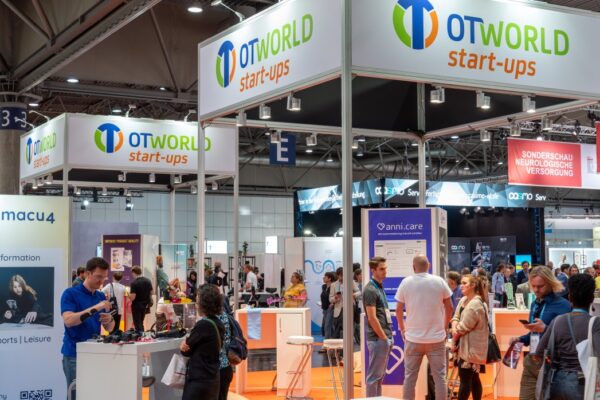
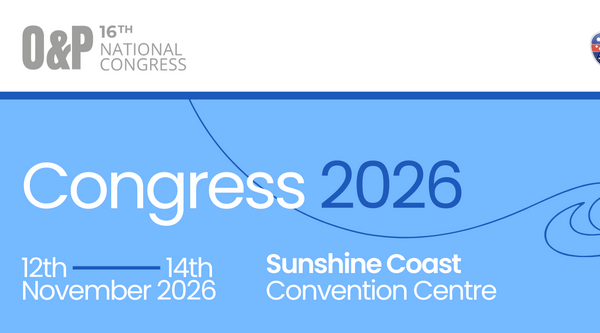
Few things accelerate learning like seeing the field’s leading edge up close. Conferences and exhibitions — including ICPO27, the International Conference on Orthotics and Prosthetics heading to Islamabad — are where new scanners, materials, and workflows are demonstrated by the people pushing them forward. One conversation at an exhibition stand can save you months of trial and error.
Start small, start now
You do not have to master everything at once. Learn the workflow, try one piece of design software, and watch one real digital fabrication process from start to finish. That is enough to know whether this is your path — and if it is, you will be building a skill the whole profession is moving toward.
OPPAK Academy runs trainings and shares resources on emerging O&P technology. Join as a member to keep pace with a field that is changing faster than any textbook can follow.
Related reading: Find Your Niche in O&P · Want to Work Abroad as an Orthotist or Prosthetist?
Back to Career Development