Let’s be honest about the word “networking.” For most clinicians it conjures something slightly icky — swapping business cards, forced small talk, pretending to care about someone so they will do you a favour later. If that is your image of it, no wonder you avoid it. But real professional networking in a field as small as orthotics and prosthetics is nothing like that. It is simply this: knowing, and being known by, the people who do what you do.
And in O&P, that circle quietly decides an enormous amount — which jobs you hear about, which mentor takes your call, which opportunity abroad someone thinks of you for. Here is how to build it without feeling like a salesperson.
Why your network matters more in O&P than in most fields
Orthotics and prosthetics is a small world. In any given country, the community of clinicians is measured in hundreds, not thousands. That smallness is a gift. It means that the jobs that never get advertised, the guidance on licensing abroad, the invitation to teach or contribute — almost all of it travels through people who already know your name. A strong network is not a nice-to-have layered on top of skill. In a small field, it is the distribution system for opportunity.
Start with professional bodies
The simplest, least awkward way into a professional community is to join the organisations that already exist. They do the hard work of gathering people for you.
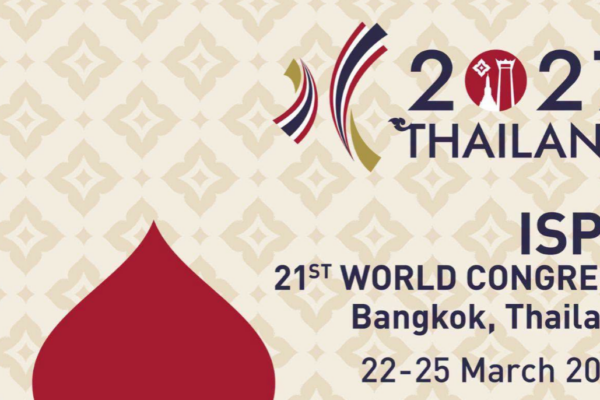
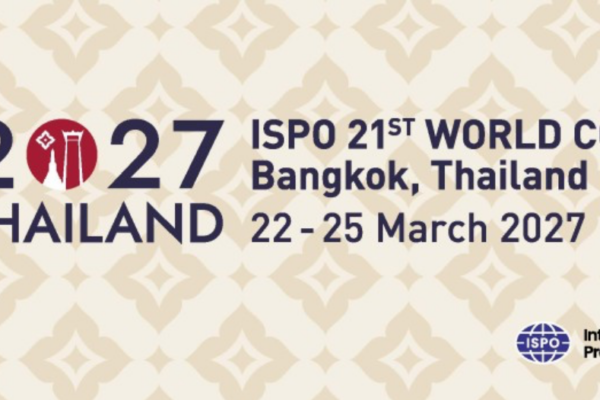
- International: ISPO. The International Society for Prosthetics and Orthotics connects thousands of members across a hundred-plus countries, runs a world congress, and is the global home of the profession. Membership plugs you into the field’s mainstream.
- National and regional academies. Closer to home, OPPAK Academy exists precisely to gather Pakistan’s O&P community for learning and sharing — and membership is free for registered professionals and students.
Joining a body is the lowest-effort, highest-return networking move there is. You are simply raising your hand and saying “I belong to this profession.”
Conferences: where a year of connections happens in three days
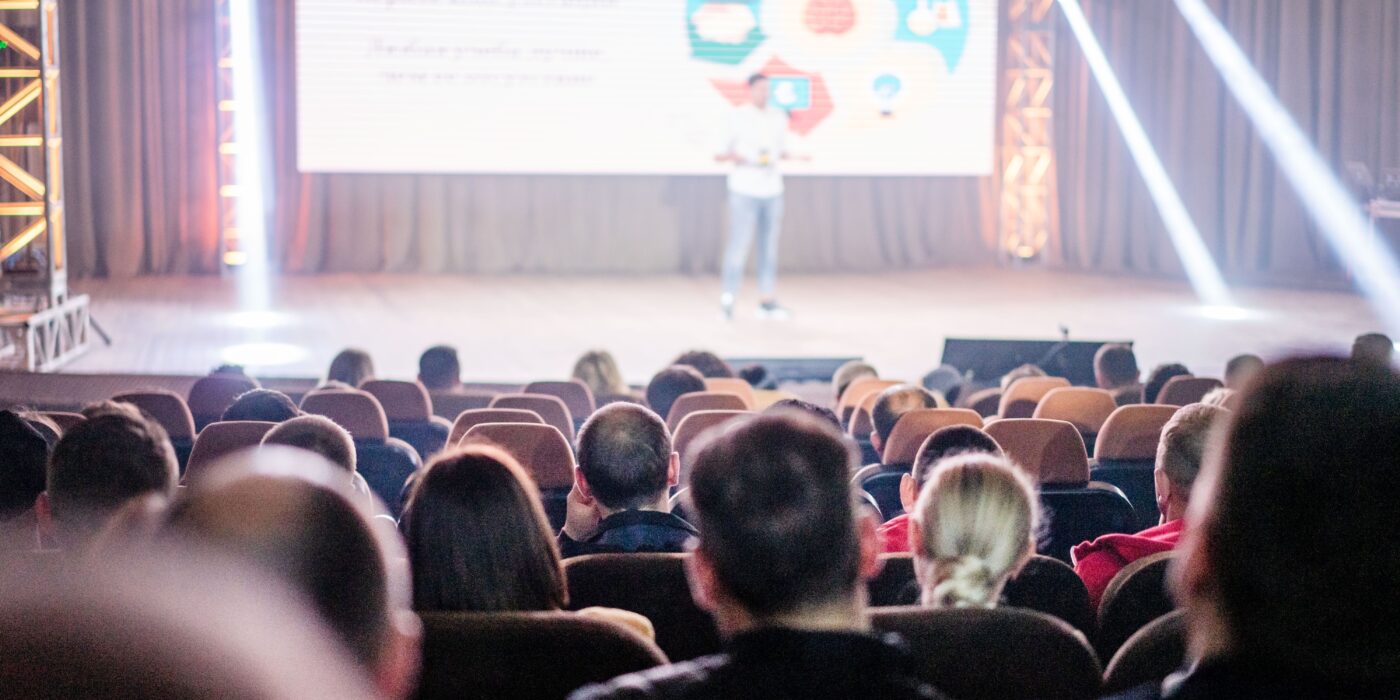
Nothing compresses relationship-building like a good conference. In a single event you meet more of your field than a year of clinic work would surface. The trick is going with a plan rather than drifting through the coffee breaks:
- Set one modest goal. “Have three real conversations” beats “network with everyone.” Aim small and human.
- Talk to speakers about their talks. The easiest opening line in the world is a genuine question about something someone just presented.
- Follow up within a week. A short message — “enjoyed meeting you, here’s the paper I mentioned” — is what turns a handshake into a contact.
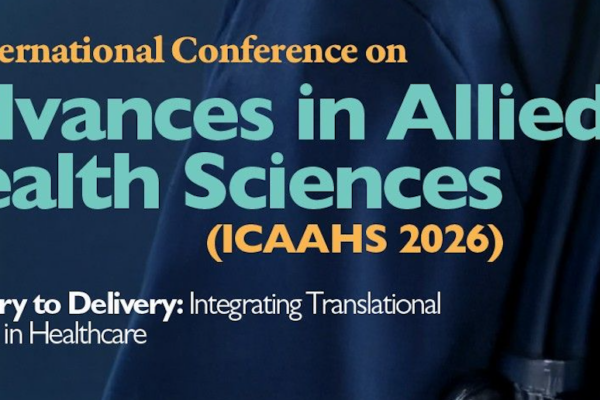
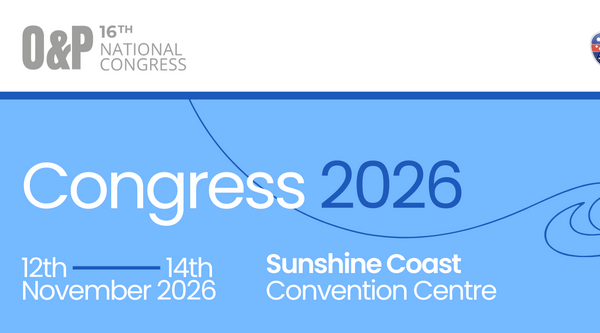
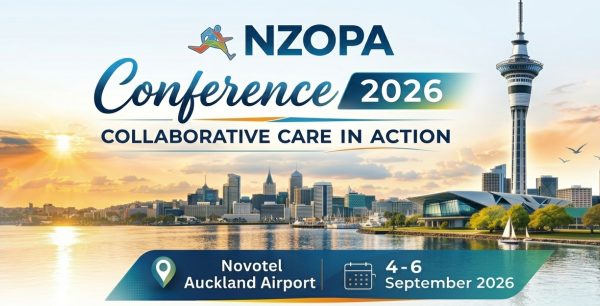
For clinicians in Pakistan, ICPO27 — the three-day International Conference on Orthotics and Prosthetics coming to Islamabad — is exactly this kind of opportunity: a chance to meet the profession’s practitioners, academics, and students in one room. Circle it on your calendar.
The everyday networking that quietly compounds
Between the big events, connection is built in small, low-pressure ways:
- Show up to webinars and trainings and actually speak — ask a question, answer one. Presence over time makes you familiar.
- Join the online community. A professional WhatsApp channel or group keeps you in the flow of what is happening and who is doing what.
- Be useful first. The most powerful networking move is helping people before you need anything — answering a junior’s question, sharing a resource, referring a patient you cannot serve. Generosity is remembered, and it comes back.
Give more than you take
If you remember one thing, remember this: the clinicians with the strongest networks are almost always the most generous ones. They share knowledge freely, celebrate others’ work, and help without keeping score. That reputation — “this person is genuinely helpful” — is worth more than any number of contacts collected transactionally. It is also, not by accident, the entire philosophy behind OPPAK’s motto: learn, teach, share.
Your first move this week
You do not need to attend a conference to start. This week, do one small thing: join a professional body, ask a question in a webinar, or send a thoughtful message to someone whose work you admire. Networks are built one genuine interaction at a time.
Join OPPAK Academy to step into a ready-made community of O&P professionals across Pakistan and beyond — and explore collaborating with us if you want to help build it.
Related reading: From Clinician to Educator · Starting Your Own O&P Clinic in Pakistan
Back to Career Development